- New


Data sheet
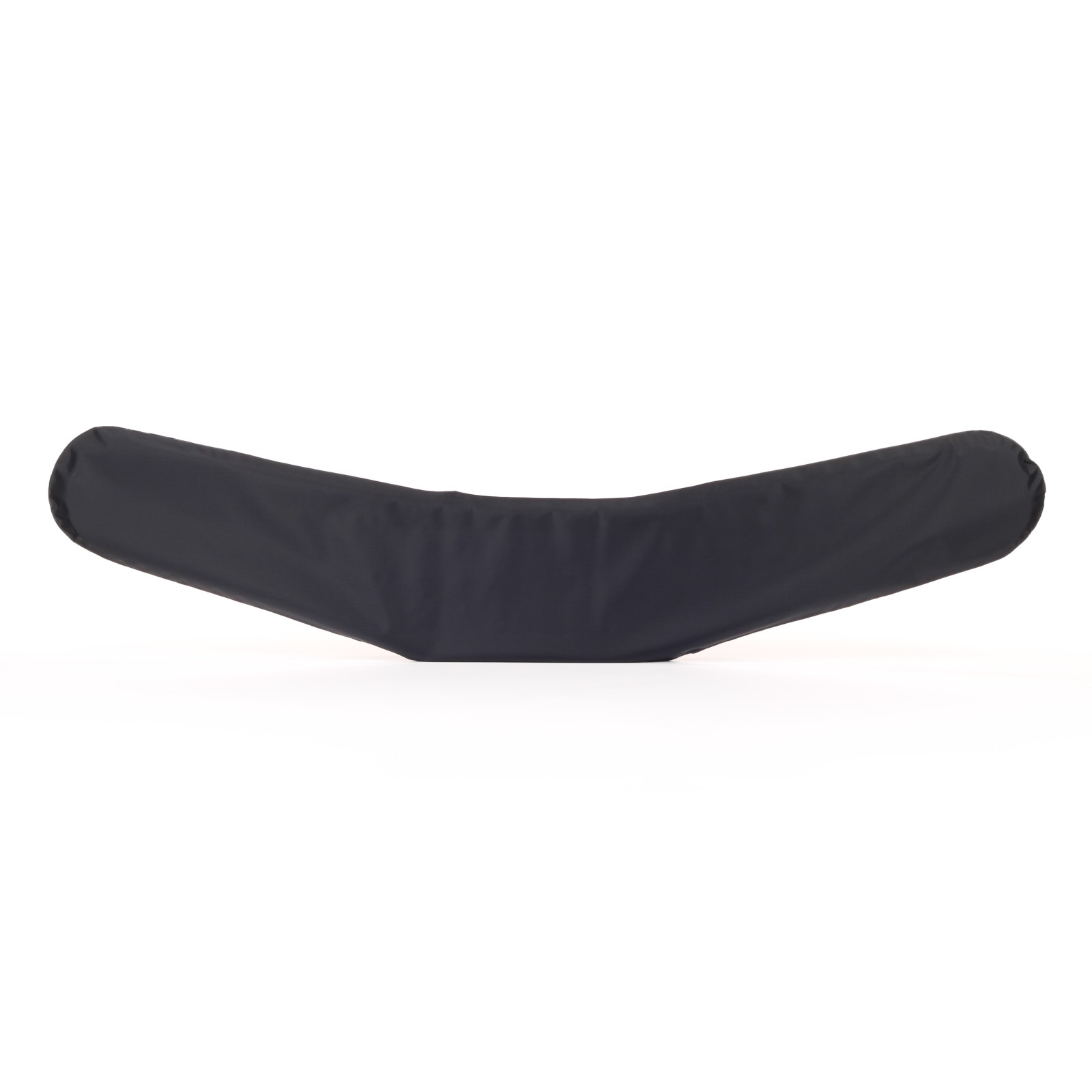
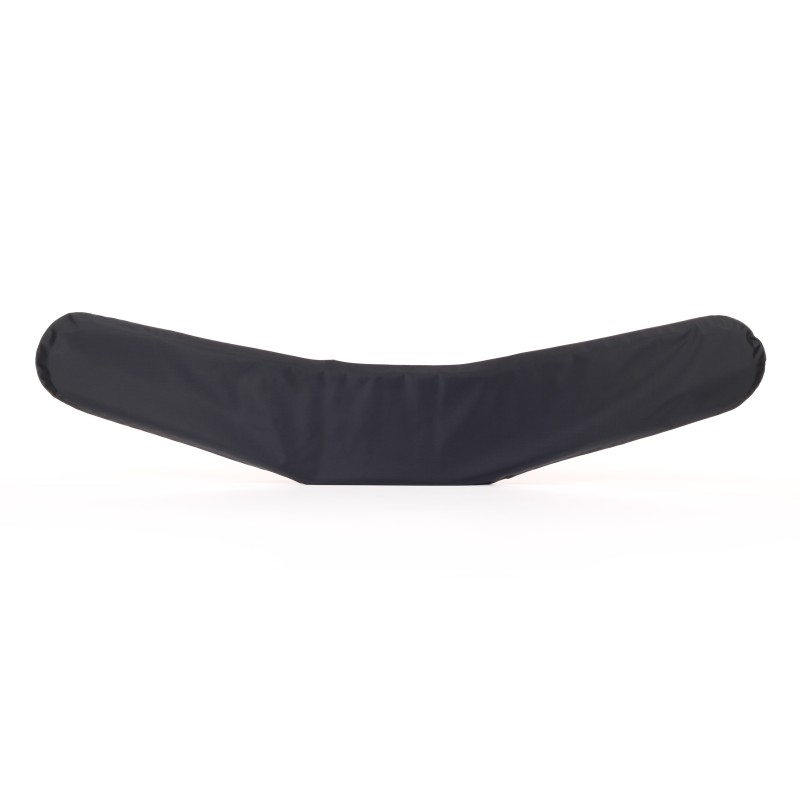
The splinter protection harness is a ballistic insert for the hip and abdomen area, designed for use in a suitable carrying case such as the harness. Compared to pure padding, the insert increases protection against splinters and fragments without adding unnecessary bulk to the carrying system. Thanks to its thin, lightweight and flexible design, the splinter protection is particularly suitable for users who use a battle belt in a professional environment and value mobility and comfort.
The splinter protection performance is evaluated according to STANAG 2920. STANAG 2920 is a NATO test standard for fragmentation protection that uses a fragment simulation projectile (FSP). In this case, the test refers to a 1.1 g FSP. The characteristic value V50 describes the speed at which, statistically speaking, around half of the hits lead to complete penetration and the other half are stopped. For this insert, the V50 value is at least 446 m/s.
The carrier material used is Twaron, a para-aramid fiber that is used in protection systems due to its high strength and low weight. The insert is designed for a thickness of 3 mm and achieves a basis weight of 1.8 kg per square meter. The result is an objectively thin, light and flexible splinter protection insert that adapts to the body and remains easy to wear in the belt area. The warranty is 5 years. The production is Made in Germany.
Important: Ballistic protection reduces the risk, but does not completely prevent injuries. Even if a fragment is stopped, residual energy can act as trauma to the body and cause injury.
The insert must only be used as intended in a suitable carrying case. It cannot be used properly without a cover. Other covers may affect the secure fit, especially if the shape, insertion compartment or fixation differs from the intended solution.
When the system is worn, the splinter guard can cover the lower torso in the hip and lower abdomen area. This addresses an area that can be relevant when exposed to splinters and secondary fragments. Depending on the wearer's height and physique, the cover can include in particular the lateral parts of the abdomen and the area around the pelvis and groin, where sensitive structures and large blood vessels are located. The specific coverage depends on the carrier system used, the size and the correct positioning in the belt.
Ballistics should always be worn with the strike face facing outwards, i.e. towards the outer shell. If the strike face is marked, the insert follows this marking. If the insert is unmarked, the following applies: Strike face is the side without imprint with technical data or manufacturer information.
The side with technical data is always the reverse side and must be worn facing the body.
If soiled, clean the insert with a damp cloth. The welded TPU film prevents UV radiation and moisture from penetrating the aramid package.
Do not use any chemical cleaning agents, as these can attack the TPU film and impair the performance of the aramid.
The splinter guard is intended for use in a suitable carrying case in the battle belt concept. In the battle belt, the insert is inserted into the slot provided instead of padding elements. Ensure that the insert fits without creases and that it does not move when worn.
If you require tested soft ballistics against handgun threats instead of splinter protection, you will find the alternative here: VPAM 3 Plus soft ballistics combat belt.
Note: This product has been specially designed for use by armed forces or law enforcement agencies.
You might also like